





An Early 1930s English Modernist Table By Denham Maclaren
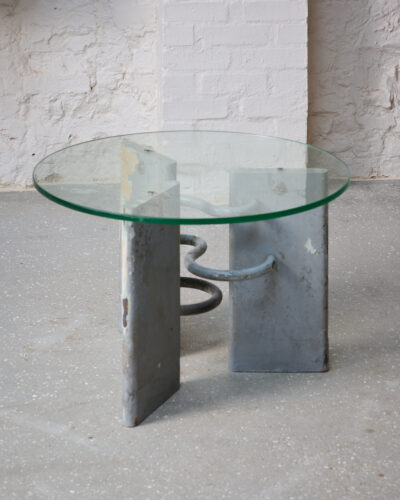
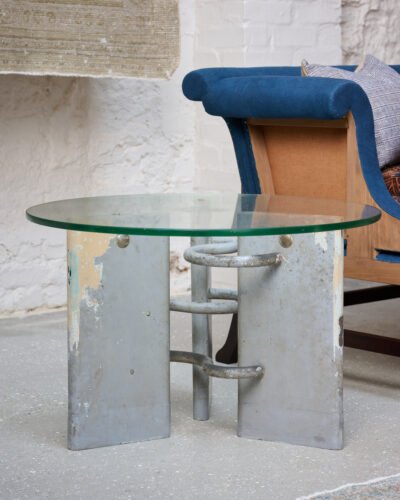
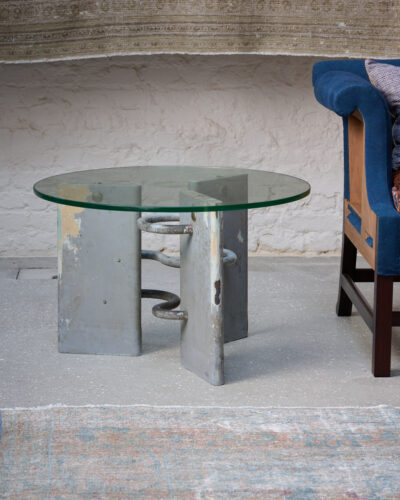
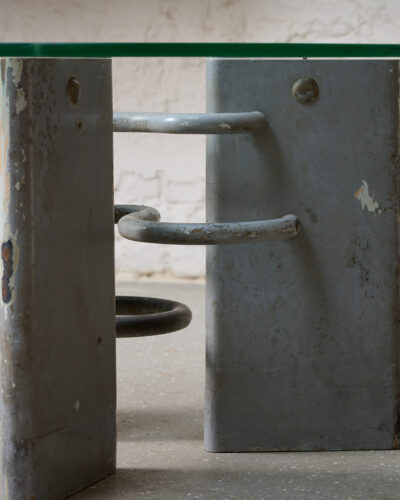
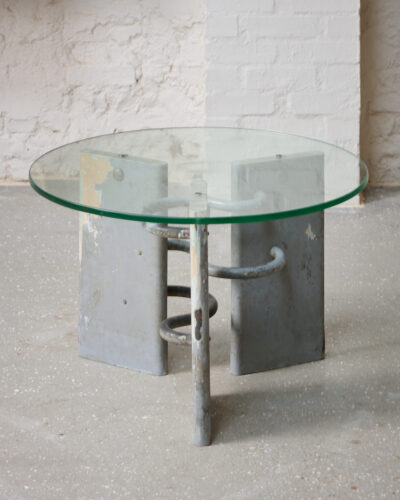
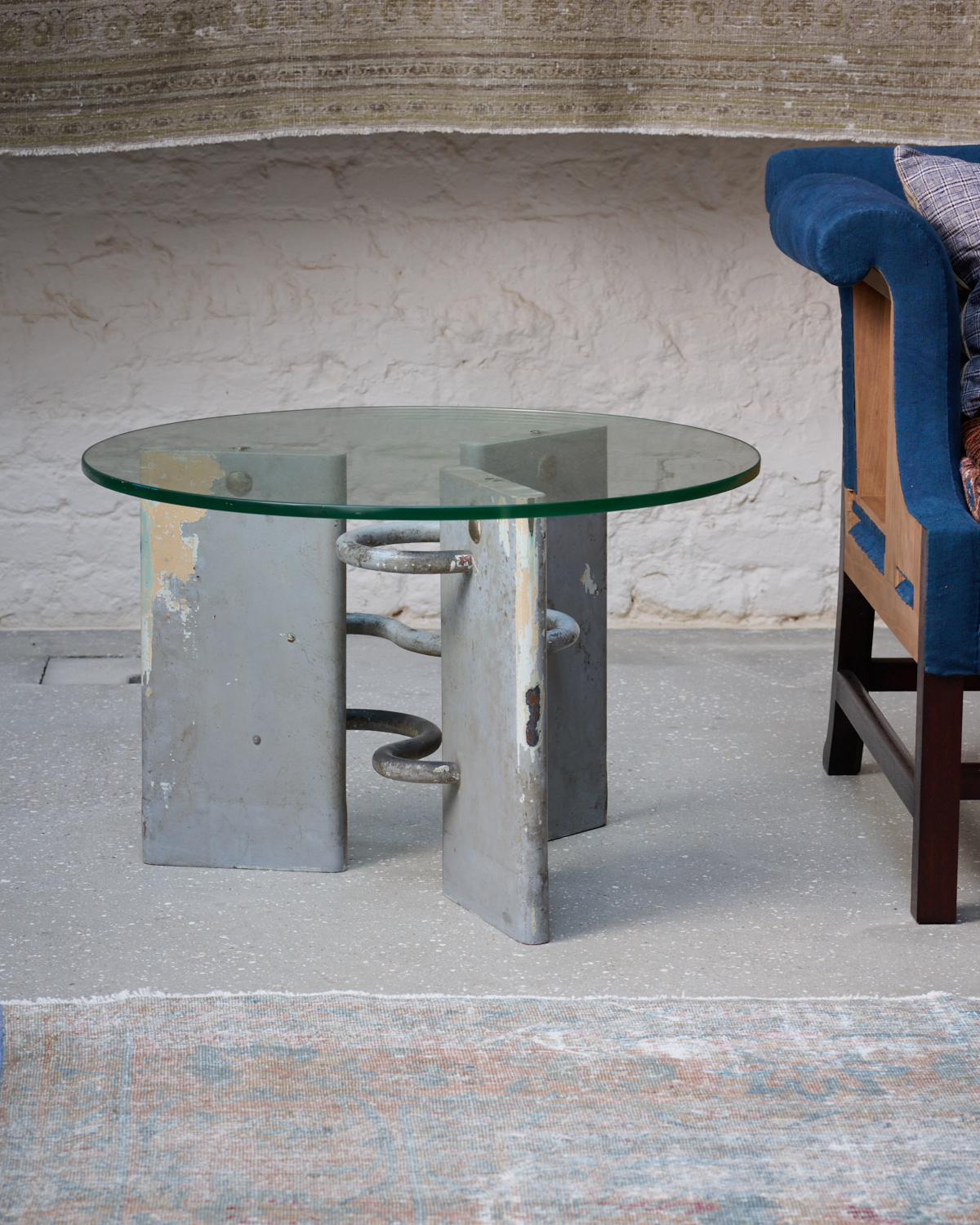
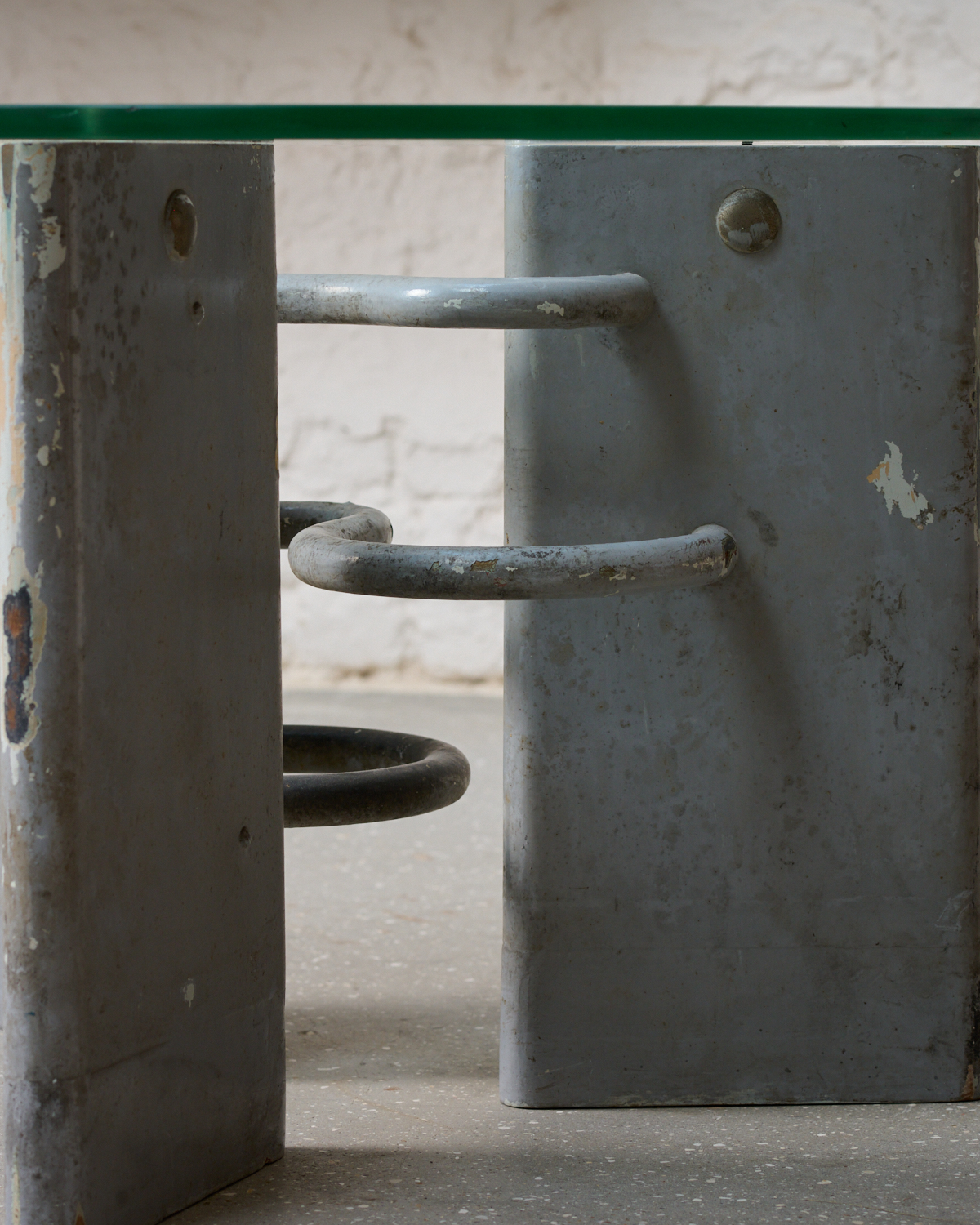
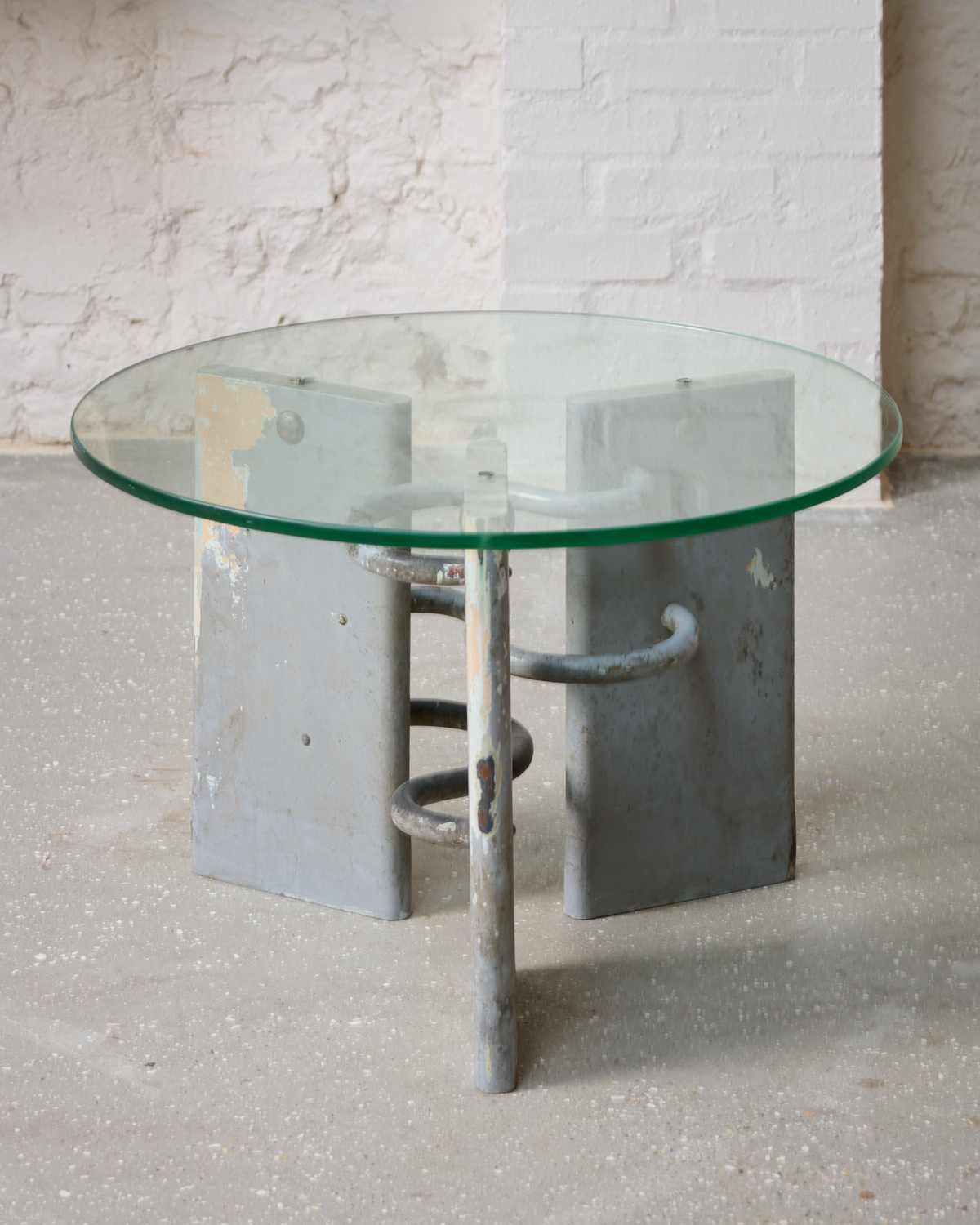
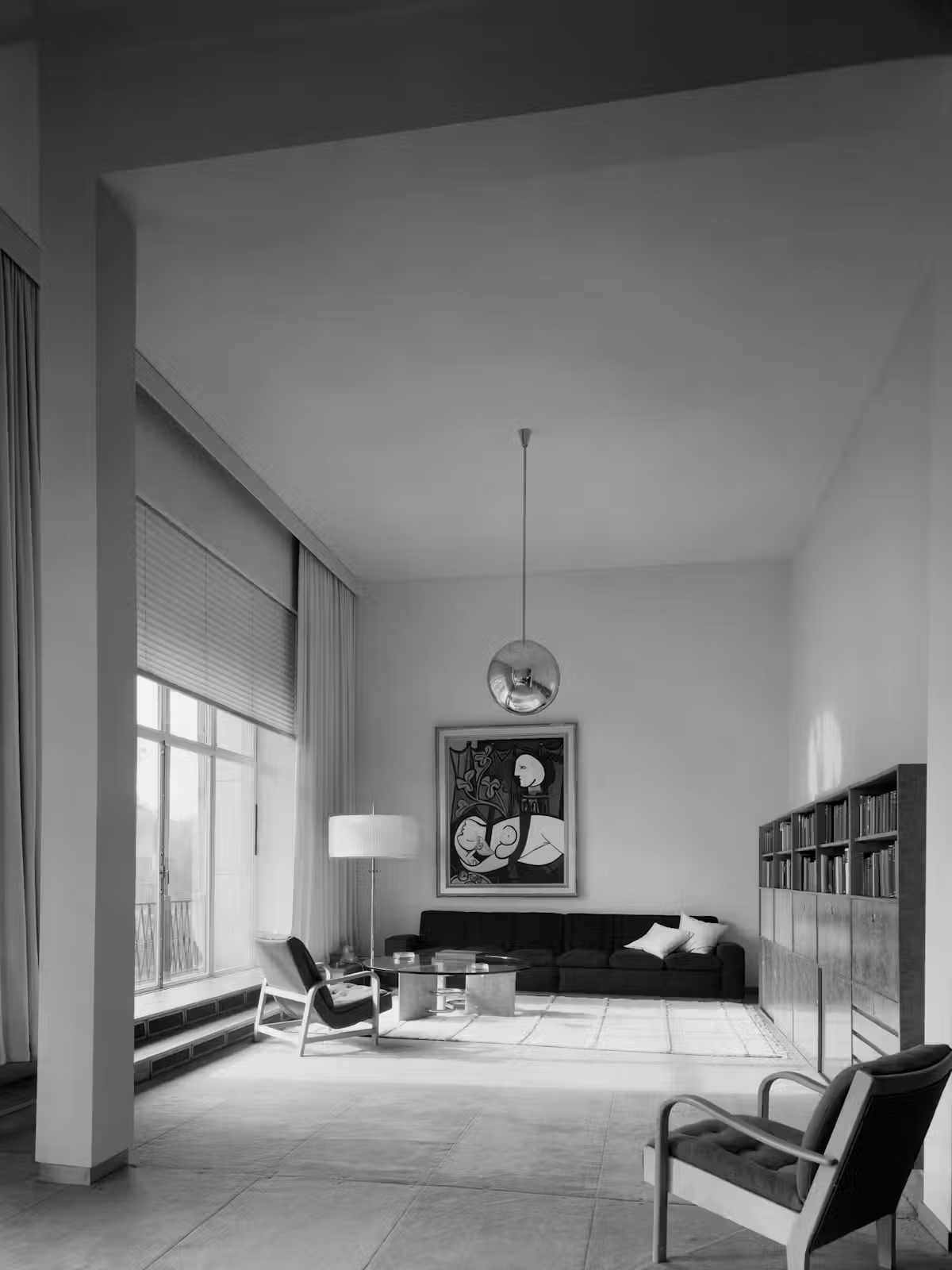
An early English Modernist Glass Coffee Table by Denham Maclaren (1903-1989) glass top coffee table with painted wooden base and tubular bentwood bars. English, circa 1930
Denham Maclaren (1903-1989) is remembered and recognized within the story of British design as one of a very small band who enthusiastically embraced Modernist ideas in the early 1930s.
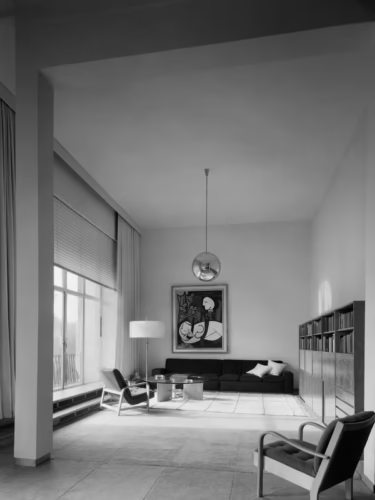
Writing of the new generation of designers who created “severe, emphatically empty interiors,” Madge Garland, a former Vogue fashion editor, identified John Duncan Miller, Arundell Clarke and Denham Maclaren as the most prominent. “Paul Nash,” she added, “thought the designer who came nearest to expressing the modern spirit was Denham Maclaren, who was strongly influenced by Continental styles but whose individuality distinguished him from the merely clever or the merely dull. Few living designers had a better understanding both of the nature of furniture and of the new materials that went to its making” (Madge Garland, The Indecisive Decade, London, 1968, pp. 22-23).
Maclaren opened his own studio showroom on Davies Street, London, in 1930, moving soon after to 52 Grosvenor Street, where he showed a striking pair of zebra-skin-upholstered glass-sided armchairs and an equally dramatic glass, tubular metal and lacquered-wood low coffee table. The present table was conceived a few years later and reveals a lyrical dimension to Maclaren’s Modernist approach. As explained in a feature in Harper’s Bazaar in May 1936: “In the curve and sweep of its lines the occasional table suggests a seagull in flight and the glass table recalls the limpid sea itself.” The feature incorporated a humorous poem by Maclaren on the perils and falsehood of decorative excess and the timelessness of “Truth” in design.
E. Nelson Exton and Frederic Littman, Modern Furniture, London, 1936, p. 36
Dimensions
Max Diameter: 765mm / 30"Max Height: 495mm / 19½"
